Managing your industrial wood waste should not be a difficult or expensive task. At Ranheat, we are committed to making wood waste disposal simple, cost-effective, and energy-efficient. Our biomass heating systems are designed to do this. In recent years, disposing of wood waste off-site has become significantly more expensive, and costs continue to rise rapidly.
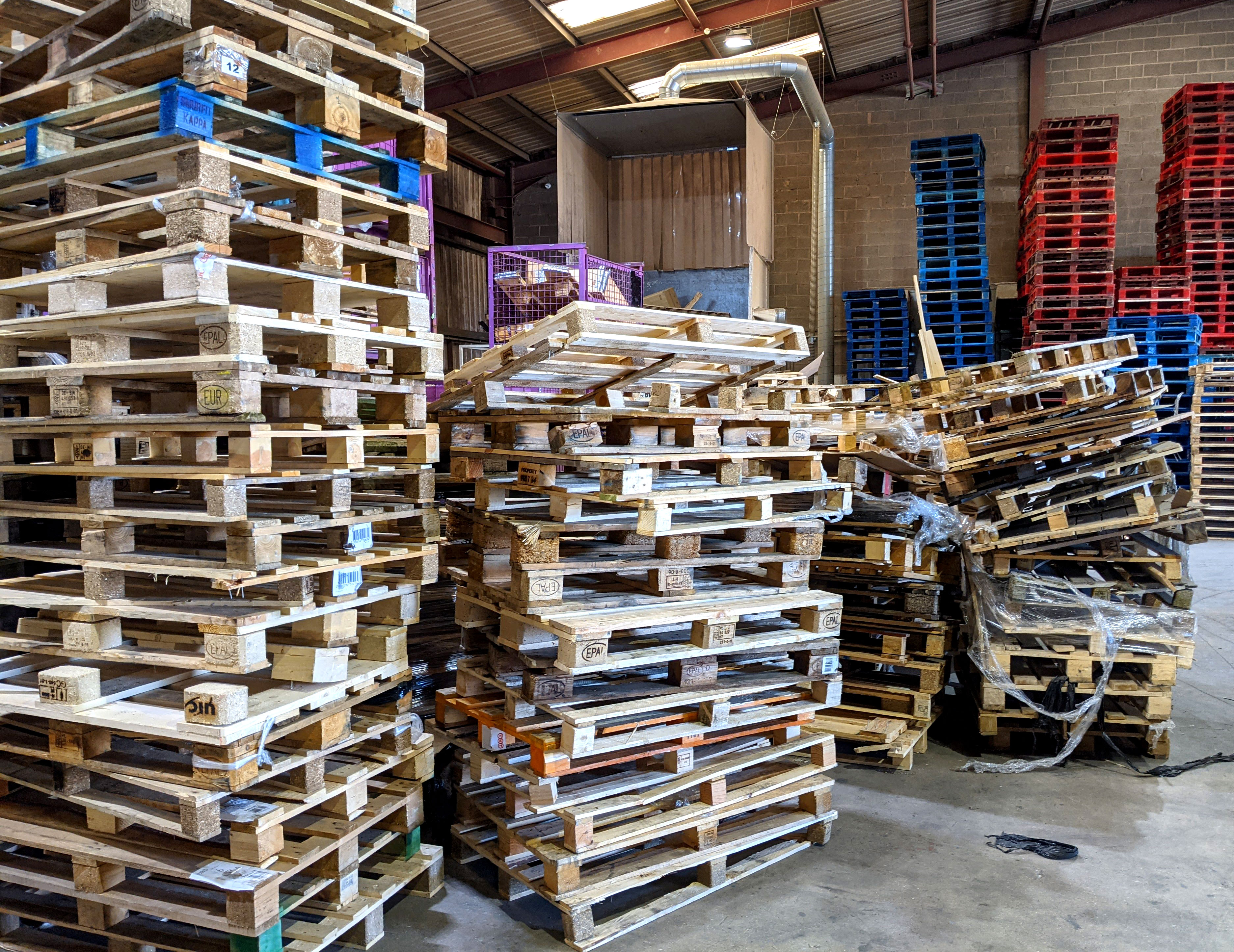
This is for several reasons, including stricter regulations and increasing demand. In September 2023, the Environment Agency withdrew its Regulatory Position Statement (RPS) 250 and introduced RPS 291 as a replacement.
Under this new guidance:
This extra testing and segregation process adds substantial administrative time, labour, and direct financial costs to your business before waste even leaves your site.
There is also the question of capacity. As a business and its production grows, the wood waste output increases proportionally. Even if a business already has a biomass boiler system in place, they may still reach a capacity bottleneck and not be equipped to dispose of all their wood waste on-site.
This is the case for one Ranheat customer. They are able to burn 20 tonnes of wood waste on site per week with their current system, but are producing about 80 tonnes per week. They pay to have 60 tonnes taken away each week at the cost of around £156,000 per year. Their output is increasing and they expect to be producing around 120 tonnes of wood waste per week within the next five years.
Another customer of ours has reported that they are now paying £155 per tonne for wood waste disposal. They are producing around 90 tonnes per week, which adds up to roughly £700,000 per year just to get rid of their wood waste.
At the other end of the scale, a smaller business producing only 6 tonnes a month of off-cuts and broken pallets are still seeing off-site removal fees seriously impacting their operational margins. They need a different solution.
Without a Ranheat system in place that can meet capacity, your industrial wood waste disposal costs will continue to rise.
The breakdown below shows the potential savings according to the capacity of the Ranheat systems.
| Ranheat Machine | Waste burned | At £20 a tonne (early 2025) | At £70 a tonne (late 2025) | At £150 a tonne (landfill route) |
| 150 kW (WA 150, MSU 150) | 6 tonnes a week | £5,760 a year | £20,160 a year | £43,200 a year |
| 300 kW (WA 300, MSU 300) | 12 tonnes a week | £11,520 a year | £40,320 a year | £86,400 a year |
| 450 kW (MSU 450) | 18 tonnes a week | £17,280 a year | £60,480 a year | £129,600 a year |
| 600 kW (MSU 600) | 24 tonnes a week | £23,040 a year | £80,640 a year | £172,800 a year |
These figures only represent the gate fees for disposal, not the skip hire and haulage. They also do not include the heating and hot water bills that a Ranheat system would replace.
The most sustainable and cost-effective solution for businesses like these is installing a high-capacity Ranheat biomass system, paired with dedicated silo storage.
We manufacture three ranges of biomass systems:
We also produce a range of industrial silos to store the wood waste, again in several sizes.
Don’t let rising landfill taxes and strict disposal regulations eat into your profits.
You can calculate just how much you might save with Ranheat by using our Industrial Biomass Energy Calculator.
Visit our Frequently Asked Questions page to learn more about Ranheat systems and how they might work for you, or contact our team today for more insight.

